Natural Ways to Support Healthy Blood Pressure

Blood pressure monitoring for heart health, along with nutrition counseling at MINT Nutrition in the Charlotte and Lake Norman NC area

An integrative dietitian-written guide for heart health and blood pressure management in Charlotte, Mooresville & Lake Norman, NC

Blood pressure can feel personal, especially when a cuff and number decide your mood. The good news: food-first ways to support healthy blood pressure exist — and most don’t involve giving up favorites or eating like a rabbit.

Whether you’re managing a diagnosis or simply trying to take better care of your heart, the tips below work in real life. And if you’re searching for a dietitian or nutritionist near you in Charlotte, Mooresville, or Lake Norman, this is the kind of plan we build with clients: practical, personal, and sustainable.
 

Why Blood Pressure Isn’t Just About Salt

Yes, sodium matters (more on that later) — but it’s not the entire story. Blood pressure is affected by a whole team of factors, including:
  • Fiber and overall diet quality
  • Inflammation and blood vessel health
  • Stress and nervous system regulation
  • Sleep (or lack of it — hello, 2 a.m. brain chatter)
  • Magnesium and potassium intake
  • Alcohol, caffeine, hydration, and movement
  • Genetics, medications, and underlying conditions
That’s why an integrative approach is effective: it connects your daily habits to better blood pressure by looking at multiple factors, not just food. Now, let’s explore some of the habits that can lower your blood pressure.

The Heart-Healthy Plate That Doesn’t Feel Like Punishment

Let’s build a blood-pressure-friendly plate using a simple formula:

Graphic of a healthy, balanced plate: 50% vegetables, 25% lean protein, and 25% complex carbohydrates

1) Half your plate: colorful vegetables

Not because vegetables are magical, but because they help with:
  • Potassium
  • Magnesium
  • Fiber
  • Antioxidants
  • Nitric oxide production (more on that in a second)
Aim for a mix: leafy greens, cruciferous veggies, berries, tomatoes, squash, peppers — the “rainbow” idea is cheesy but effective.

2) One quarter: lean protein

Protein helps stabilize blood sugar (which supports energy and cravings) and can make meals more satisfying. Think:

  • Salmon, tuna, sardines
  • Beans, lentils, chickpeas
  • Chicken, turkey
  • Tofu, tempeh
  • Eggs and Greek yogurt

3) One quarter: fiber-rich complex carbs

Carbs aren’t the villain. Refined carbs that crowd out nutrients are the problem.
Choose:
  • Oats, quinoa, brown rice
  • Sweet potatoes
  • Beans (yes, they count twice — overachievers)
  • Whole-grain bread or wraps with real fiber

Bonus: Add healthy fats (the “flavor boost” part) in moderation

Olive oil, avocado, nuts, and seeds are flavorful ways to boost your heart health, making it easier to stay consistent.

Foods That Support Vascular Health

Blood vessels are not rigid pipes — they’re living tissue. The goal is to support flexibility, reduce inflammation, and improve circulation.

Beets

Beets contain nitrates that can support nitric oxide production, which helps blood vessels relax. Save time with shelf-stable, pre-roasted beets (usually found in the produce section in vacuum-sealed bags).
Easy ways to use them:
  • roasted beet side dish (bonus: fancy restaurant vibes)
  • blended into a smoothie (trust me: berry + beet works)
  • tossed into a salad with goat cheese and walnuts

Leafy greens

Spinach, arugula, kale, and collards are potassium- and magnesium-rich, supporting overall cardiovascular health.
No, you don’t have to eat raw kale like it’s your job. Try:
  • sautéed spinach with garlic and olive oil
  • arugula salad with lemon + parmesan
  • greens added to soup, pasta, or scrambled eggs

Omega-3 fats

Omega-3 fatty acids decrease inflammation and support vascular function.
Best sources:
  • Salmon, sardines, trout
  • Chia seeds, flax, walnuts (plant-based)
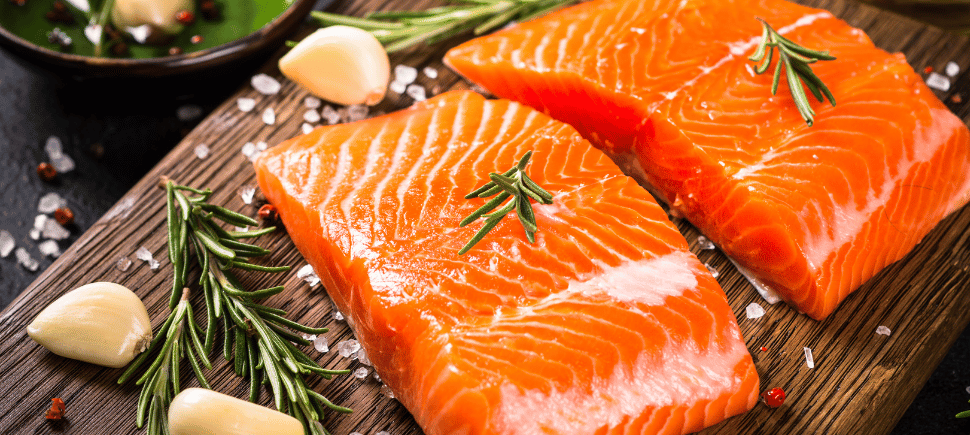
Heart-healthy salmon rich in omega-3s, a dietitian-recommended food for MINT Nutrition's Charlotte, Mooresville, and Lake Norman NC clients
A realistic goal: 2 servings of fatty fish per week (or plant sources daily if you don’t like fish).

Potassium-rich foods

Potassium helps balance sodium and supports healthy blood pressure.

Try:
  • bananas, oranges, kiwi
  • potatoes and sweet potatoes
  • beans and lentils
  • yogurt
  • avocado
Important note: If you have kidney disease or are on certain meds, potassium needs to be individualized. This is where working with a registered dietitian is especially helpful.

Anti-Inflammatory Eating for Your Heart and Brain

When we talk about “anti-inflammatory,” we’re not chasing perfection — we’re building habits that reduce chronic inflammation over time.

A helpful rule: Add more of what helps before you obsess over what to avoid.

Prioritize:
  • Fruits + vegetables daily
  • Fiber (beans, oats, whole grains, seeds)
  • Omega-3s
  • Olive oil, nuts, and seeds
  • Herbs and spices (garlic, turmeric, ginger, cinnamon)
Limit (not “never” until you’re ready, just less often for now):
  • Ultra-processed snacks that are heavy on sodium and low on fiber
  • Sugary drinks
  • Excessive alcohol
  • Frequent fast-food meals (mostly due to sodium + saturated fat combo)

Integrative Support Beyond Food: Stress, Sleep, and the Nervous System

Blood pressure is more than a “what you ate” number — it’s also a “how your day is going” number.

Stress: the sneaky contributor

If your nervous system is constantly in “go mode,” your body acts like it’s being chased by a bear. A bear you can’t see. A bear named Overscheduled.
Try one of these stress-reducing tips:
  • 5 minutes of slow breathing before meals
  • A short walk after lunch (it helps regulate blood sugar, too)
  • Stretching before bed
  • Saying no to one thing this week (a true act of love)

Sleep: the underrated heart-health tool

Short sleep raises stress hormones and affects blood pressure.
Quality sleep supports heart health and blood pressure goals for MINT Nutrition clients in Charlotte, Mooresville, and Lake Norman NC
The ideal goal is 7–9 hours, but if that feels like a fantasy, start small with:
  • Regular bedtime/wake time most days
  • A wind-down routine (even 10 minutes)
  • Avoiding late-night alcohol (it can worsen sleep quality)

Movement: gentle counts

You don’t need intense workouts to support blood pressure. Walking, strength training, yoga, cycling — it all helps.
 
Start with:
  • 10-minute walk after one meal per day
  • 2 strength sessions per week (even at home)
  • “Movement snacks” (2–3 minutes of mobility during the day)

Magnesium Spotlight: Sleep, Anxiety, and Heart Support

Magnesium affects hundreds of functions in the body, and it tends to show up in the exact places many of us feel “off” — tight muscles, a wired-but-tired brain, restless sleep, and that low-key sense of stress that follows you around like an unread text.
 
One of magnesium’s biggest roles is helping your body relax. It supports normal muscle function (including the muscles in your blood vessels), helps regulate the nervous system, and plays a part in the calming signals that make it easier to fall asleep and stay asleep. That’s why magnesium often comes up in conversations about sleep quality, anxious feelings, and overall heart support — especially when stress is running the show.
 
Here’s the food-first part: many people simply aren’t getting enough magnesium consistently, because it’s found in foods we don’t always eat daily. Adding more of these can be a simple, steady way to support your body without overhauling your entire diet.
 
Food sources of magnesium include:
  • Pumpkin seeds
  • Almonds, cashews
  • Black beans, lentils
  • Spinach
  • Dark chocolate (yes, really)
If you’re considering a supplement, it’s worth talking with a medical provider or registered dietitian near you — especially if you’re on medications or managing other conditions. (Food-first is still the foundation, but sometimes supplementation makes sense.)
 

Quick FAQ: Blood Pressure and Salt

How much sodium should I have in a day?

Many people find that reducing salt intake is beneficial, but the ideal goal depends on your individual health history. A commonly suggested limit is under 2,300 mg per day, with some people benefiting from lower targets. Focus on larger sources of sodium, such as restaurant meals and packaged foods, rather than worrying about a small pinch of salt at home.

What are the biggest sneaky sources of sodium?

Deli meat, soups, frozen meals, sauces, restaurant meals, and even “healthy” packaged snacks can add up fast. Almost everything canned is high in sodium, unless you choose no-salt-added or low-sodium varieties.
 

What’s a Simple First Step to Lower My Blood Pressure That I Can Try This Week?

Add one of these habits daily:
  • A closed handful (~ 1/4 cup) of walnuts to breakfast
  • A 10-minute walk after one meal
  • Eat beans or lentils twice this week
  • A “greens add-on” (spinach in eggs, salad kit with dinner, soup with kale)
Remember: practicing one new, healthy habit regularly is more beneficial than rigid plans you can’t maintain. Small, steady changes lead to lasting improvement.

So, When Should You Consider Getting Support for Your Blood Pressure?

If you’ve tried to “eat healthier” and your blood pressure still feels unpredictable, it’s not a personal failure. It usually means you need a plan that fits your body, schedule, preferences, labs, meds, stress levels, and lifestyle.

Working with a registered dietitian in Mooresville, NC, or via telehealth can help you:
  • Build meals that support blood pressure without feeling restrictive
  • Reduce sodium without making food taste like cardboard
  • Increase potassium and magnesium safely
  • Create a realistic weekly plan (with restaurant strategies included)
  • Support weight goals if appropriate — without extreme dieting
  • Connect nutrition with stress, sleep, and energy

Registered dietitian providing virtual nutrition counseling and meal planning support for heart health

Ready to Support Your Heart in a Way That Fits Your Life?

If you’re looking for a dietitian near you in Charlotte, Mooresville, or the Lake Norman area, we’d love to help you create a plan that supports healthy blood pressure and feels doable in the real world. We’re also licensed for telemedicine in seven states (and counting).

Plus, your nutrition counseling sessions may be 100% covered by your insurance. Schedule a complimentary phone consultation today to see if MINT Nutrition is the right fit for you.

Because your heart doesn’t need perfection. It needs consistency, support, and food that actually tastes good!

Share this Post